NACE MR0175 / ISO 15156 Valve RFQ: Sour-Service Checklist
Prepare a sour-service valve RFQ using NACE MR0175 / ISO 15156. Define the H2S environment, materials, hardness controls and traceable records.
ZHONGYUE VALVE
11/15/20263 min read

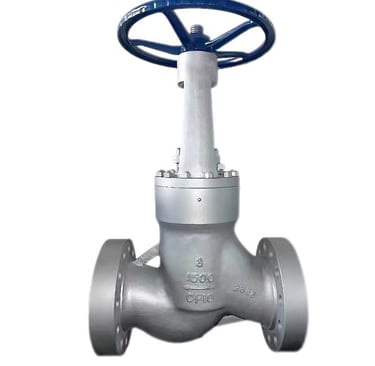
Selecting a valve for an H2S-containing service requires more than adding “NACE compliant” to a purchase description. NACE MR0175 / ISO 15156 is a materials standard for equipment used in oil and gas production environments where hydrogen sulfide can cause cracking. Its application depends on the actual environment, the valve components exposed to that environment, and the condition of each material after manufacturing.
This guide helps buyers and project engineers prepare a clearer valve request for quotation. It does not replace the project materials engineer’s assessment or the applicable valve design code.
First Confirm Whether ISO 15156 Is the Correct Materials Standard
ISO 15156 covers the selection and qualification of metallic materials for H2S-containing environments in oil and gas production and natural gas treatment. It supplements the relevant design, manufacturing and testing codes; it does not replace them.
Before issuing an RFQ, identify where the valve will operate. A production, gathering or natural-gas treatment service may fall within ISO 15156, while a downstream refining service may use a different sour-service materials standard such as ISO 17945 / NACE MR0103. The project specification and end-user requirements remain decisive.
The RFQ should state the required standard and edition. Avoid using “latest edition” without checking the project contract, because a project may have been designed to a named edition.
Provide the Environment, Not Only the Fluid Name
“Sour gas” or “sour oil” is not enough information for material selection. The manufacturer needs the design and operating envelope, including:
fluid composition and phase;
H2S concentration or partial pressure, using project-approved units;
total pressure and temperature range;
presence of free water;
pH and chloride concentration when relevant;
CO2 and other constituents that affect corrosion assessment;
start-up, shutdown, upset and depressurization conditions;
chemical injection, cleaning or preservation fluids;
design life and corrosion allowance, where specified.
Do not ask a supplier to infer the severity of the service from a pipeline name. The purchaser or responsible materials engineer should define the environmental limits used for the selection.
Specify Every Pressure-Containing and Wetted Component
A valve is an assembly, so a compliant body designation alone does not establish the suitability of the complete valve. The RFQ and material schedule should address the body, bonnet or cover, closure member, seat or seat ring, stem or shaft, bolting, springs, pins, weld overlays and other wetted metallic parts.
For each component, define the material specification, grade, product form and project restrictions. Where hardness limits, heat-treatment conditions or manufacturing routes are required, state them component by component. A single blanket hardness value is not appropriate for every alloy and product form.
Also identify nonmetallic seals, packing and gaskets separately. ISO 15156 focuses on metallic materials; elastomer and polymer compatibility still needs to be checked against the fluid, temperature, pressure and decompression conditions.
Control Welding, Hardness and Material Traceability
Manufacturing can change the condition of a material. The purchase specification should therefore define the required controls for heat treatment, repair welding, weld overlays and hardness verification.
Material certificates to EN 10204 3.1 when contractually required;
heat-treatment records for relevant pressure parts;
hardness test locations, method, acceptance criteria and reporting units;
welding procedure and welder qualification requirements;
post-weld heat treatment requirements, where applicable;
positive material identification for specified alloy components;
traceability from certificates to marked components;
non-destructive examination required by the valve code, project specification or approved ITP.
The inspection and test plan should show which records are reviewed, which operations are witnessed and which points require approval before work continues. Use the project’s approved acceptance criteria instead of asking for a generic “NACE test certificate.”
Ask for Evidence That Matches the Offered Valve
The supplier’s quotation should list the offered materials and any deviations. During document review, confirm that records match the offered valve size, pressure class, material grade, heat number and manufacturing route.
Relevant documents may include the completed datasheet, general arrangement drawing, bill of materials, material certificates, traceability list, hardness and heat-treatment reports, welding and NDE records, pressure and seat test reports, preservation records and the manufacturing record book index.
A valve pressure test confirms pressure integrity and seat performance under its test standard. It does not, by itself, demonstrate resistance to sulfide stress cracking or other H2S-related damage mechanisms.
Sour-Service Valve RFQ Checklist
Valve type, size, pressure class and end connection.
Design, dimensional and pressure-test standards with editions.
Process fluid and complete sour-service environmental data.
Required ISO 15156 part, edition and project supplements.
Component-level metallic and nonmetallic material requirements.
Hardness, heat treatment, welding, overlay and NDE controls.
Required inspection documents, certificates and traceability.
Operating method, actuator data and fail position where applicable.
Coating, preservation, tagging and shipping requirements.
A clear deviation schedule in the supplier’s quotation.
For gate-valve sourcing, review Zhongyue Valve’s API 600 gate valve product page for available product configurations, then submit the actual service data through the contact page. Product photographs and catalogue descriptions should not be treated as evidence of sour-service qualification; suitability must be confirmed against the purchase specification and approved records.
Zhongyue High Quality Valve Manufacturer
The products are exported to the United States, Europe, the Middle East, Southeast Asia, Russia and other countries and regions, reliable quality and reasonable price. Reliable quality and reasonable price are the basis of our continuous development.
Contact
Get in touch Please leave the questions you need to consult, later we will have a professional technical team to contact you.
Email: sales@hizhongyue.com
Tel: +86 0577-28828932
WhatsApp/WeChat: +86 15658617888
© 2026 ZHONGYUE VALVE. All rights reserved.