API 6D DBB vs DIB Ball Valves: Buyer’s RFQ Guide
Compare API 6D double block and bleed (DBB) with double isolation and bleed (DIB) ball valves, then define cavity relief, testing and RFQ evidence.
ZHONGYUE VALVE
11/16/20264 min read

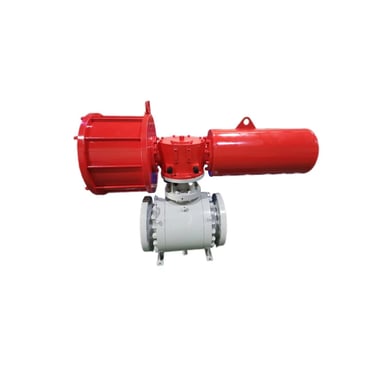
DBB and DIB are often treated as interchangeable terms in ball valve inquiries, but they describe different isolation functions. A buyer should define the required seat behavior, pressure direction, cavity relief method, test acceptance and documentation before asking a manufacturer to select a design.
This guide explains the questions that should be answered in an API 6D ball valve request for quotation. It does not replace the project specification or the applicable edition of the standard.
What does DBB mean for a ball valve?
Double block and bleed (DBB) describes a valve arrangement in which two seating surfaces provide a seal against pressure from both ends of the valve while the cavity between the seats can be vented or drained. The practical objective is to verify isolation by observing the pressure or leakage condition at the bleed connection.
DBB does not automatically mean that each individual seat seals in both directions. The required seat action must still be stated. Depending on the valve design, process pressure, cavity pressure and seat construction, a seat may be self-relieving or may require an engineered external relief arrangement.
What does DIB mean?
Double isolation and bleed (DIB) requires each of two seating surfaces to provide a seal against pressure from a single source. API 6D distinguishes DIB arrangements by seat direction and relief behavior. Because the cavity can become an isolated pressure volume, the RFQ must identify how thermal expansion of trapped fluid will be controlled.
A DIB configuration may be selected when the project requires a higher level of seat isolation or a specific upstream/downstream sealing sequence. It should not be specified only as a marketing term. The piping philosophy, maintenance method and pressure-relief study should support the selection.
DBB vs DIB: procurement comparison
Seat function
DBB: Two seating surfaces isolate the cavity; confirm the pressure direction of each seat.
DIB: Each seat provides the specified isolation against pressure from one source.
Cavity pressure
DBB: The approved design may use self-relieving seats.
DIB: State the cavity-relief method because both seats can isolate the cavity.
Bleed connection
DBB: Use the connection to vent, drain or verify isolation.
DIB: Define the same functions and control trapped pressure.
Testing
DBB: State shell, seat, low-pressure gas and cavity-verification requirements.
DIB: State the pressure direction and acceptance criteria for each seat.
Five design questions to settle before quotation
1. Which pressure direction must each seat hold?
Provide a simple pressure-direction sketch or written sequence. State whether the valve will isolate pressure from the upstream side, downstream side or both sides under each operating case. This prevents the supplier from assuming a seat arrangement that does not match the line-isolation philosophy.
2. How will cavity overpressure be relieved?
Liquid trapped in a closed valve cavity can expand when temperature rises. The project should decide whether pressure is relieved to the upstream side, to the downstream side, through an external relief system or by another approved method. Specify where any external relief line will discharge and whether it is included in the valve supplier’s scope.
3. Is the bleed connection for verification, draining or both?
Define connection size, rating, end type, plug or valve arrangement, orientation and accessibility. If a needle valve, vent valve or drain valve is required, list it as a separate component with its material and pressure class rather than assuming it is included.
4. What seat material and operating envelope apply?
Give the fluid composition, design and operating pressure, minimum and maximum temperature, solids content, corrosion concerns, frequency of operation and required tightness. Soft-seat, metal-seat and resilient secondary-seal arrangements have different limits. The selected construction must be reviewed against the actual service, not only the nominal pressure class.
5. Is the valve manual, pneumatic, hydraulic or electric?
For an actuated ball valve, provide the maximum differential pressure, required operating time, fail position, available power or control medium, control signal and hazardous-area requirements. The actuator torque calculation should include the approved valve design and a stated service factor.
Testing and inspection records to request
The purchase order should identify the applicable edition of API 6D and any project additions. Common document requirements include:
approved valve data sheet and general arrangement drawing;
material certificates for pressure-containing parts and other specified components;
shell and seat pressure-test reports with test pressure, duration, medium and acceptance criteria;
low-pressure gas test when required by the purchase specification;
seat-direction and cavity-relief verification records;
non-destructive examination reports when specified;
coating, marking, preservation and packing records;
approved inspection and test plan with hold, witness and review points.
Do not request every possible test by default. Link each inspection activity to the service risk, project specification and an acceptance criterion. Third-party inspection should be defined in the ITP before manufacturing starts.
Copyable API 6D ball valve RFQ checklist
Valve type and construction: trunnion-mounted or floating, full or reduced bore
Size, pressure class, end connection and face-to-face requirement
Design code and edition
DBB or DIB arrangement, including seat direction
Flow medium and composition
Design and operating pressure/temperature
Required seat materials and sealing limits
Cavity relief philosophy and discharge destination
Vent, drain and injection fittings in supplier scope
Manual or actuated operation and operating-time requirement
Testing, NDE, coating and documentation requirements
Quantity, tag numbers and delivery documentation format
Send a complete specification for technical review
Before selecting DBB or DIB, confirm the isolation philosophy with the piping and process teams. Zhongyue Valve can review an inquiry against the stated service data and requested documentation. Browse our industrial valve product range or send the project RFQ with the valve data sheet, line conditions and inspection requirements.
Zhongyue High Quality Valve Manufacturer
The products are exported to the United States, Europe, the Middle East, Southeast Asia, Russia and other countries and regions, reliable quality and reasonable price. Reliable quality and reasonable price are the basis of our continuous development.
Contact
Get in touch Please leave the questions you need to consult, later we will have a professional technical team to contact you.
Email: sales@hizhongyue.com
Tel: +86 0577-28828932
WhatsApp/WeChat: +86 15658617888
© 2026 ZHONGYUE VALVE. All rights reserved.